DLSS 4.5 and ray tracing: a more beautiful picture without waiting for a miracle
How modern rendering helps the graphics card
The best result is obtained when image quality and frame rate are balanced.
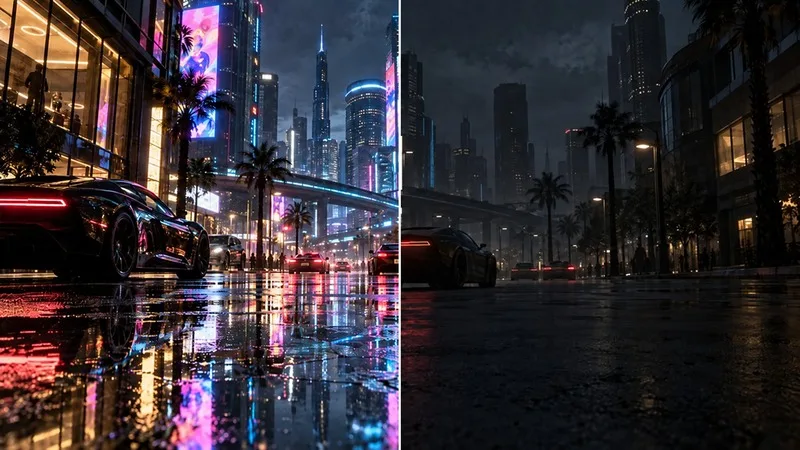
Ray tracing produces more accurate reflections, softer shadows and more convincing lighting, but is computationally demanding. DLSS therefore uses machine learning to construct a sharper output image from a lower internal resolution. The player gets more frames, and the graphics card can spend part of the budget on more advanced lighting.
Response is also important in fast-paced games. Although image upscaling improves fluidity, it does not compensate for poor input lag or too low a base frequency. Therefore, it makes sense to first check the source thumbnails, then select the quality mode and only at the end include the most demanding effects.
DLSS 4.5 is especially interesting for newer GeForce cards and supported games. Where the support is good, we get a better picture at higher fluency; where there is none, classic rasterization and smart detailing are still the most reliable solutions.
Video
Sources: NVIDIA DLSS, NVIDIA DLSS 4.5 in ray tracing
This content was created with the assistance of AI. English translation generated with AI and reviewed by the editorial team.
AI translated