An evening with the Moon: a small adventure without space gear
Binoculars, a phone or simply looking up: the Moon makes a good excuse for an evening outdoors. Shadows and a thoughtful composition can beat maximum zoom.
An evening can easily turn into another hour of scrolling. This time we can use the phone differently: open a lunar map, step outside and find something we have previously seen only in photographs. A clear view of the sky is enough to begin. A flask and some company are welcome extras.
The full Moon is not the only interesting Moon
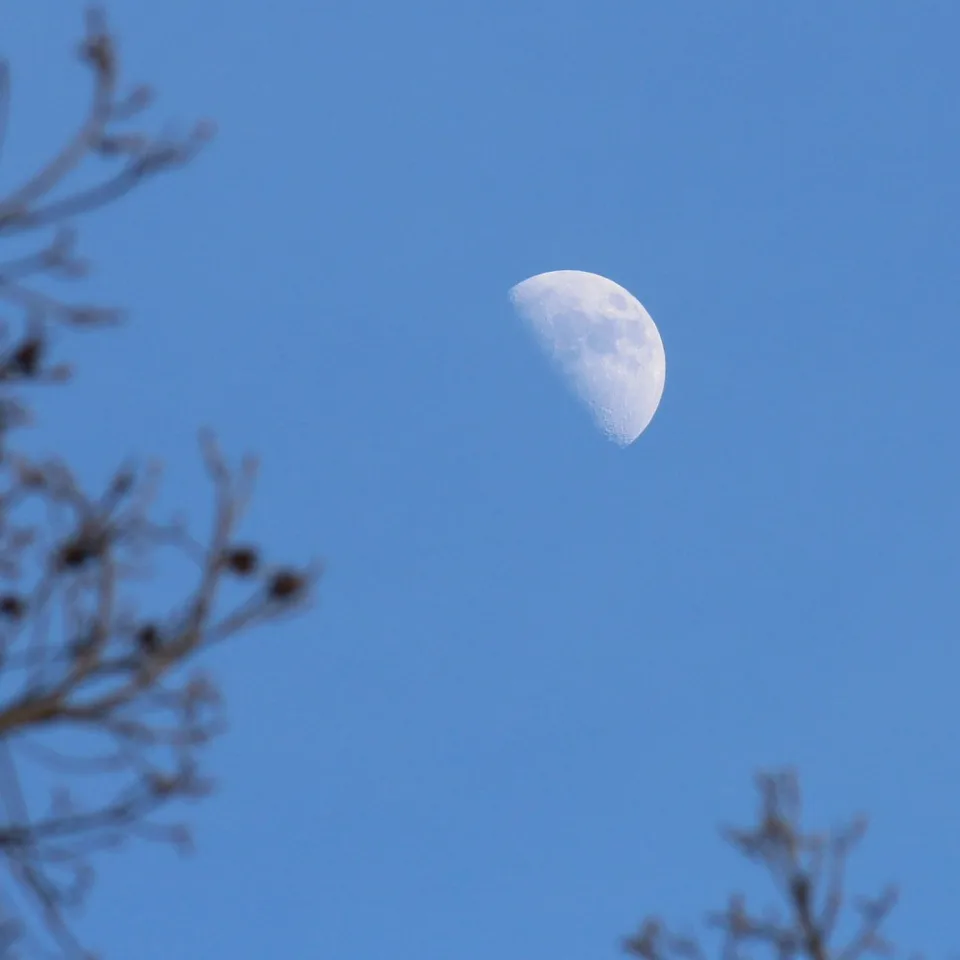
The bright disc looks beautiful, but other phases are worth exploring too. Along the boundary between light and darkness, called the terminator, long shadows make the terrain easier to see. Through binoculars, familiar light and dark patterns become a landscape of craters and ridges. With unaided eyes we can compare the darker patches and watch the lighting change.
Set a modest challenge for the first evening: find one distinctive dark area and remember where it is. Try to recognise it on your next visit. The interactive Daily Moon Guide lets you choose a date and explore labelled surface features. Looking up becomes a little more rewarding without having to learn an entire atlas.
Let the phone capture a scene
A phone often turns the Moon into a white dot. Try a steady support, switch off the flash, tap the Moon to focus and lower the brightness. A self-timer reduces movement when pressing the screen. Twilight can make photography easier by reducing the contrast between the surface and the sky. Digital zoom often just crops the image, so compare a shot without it too.
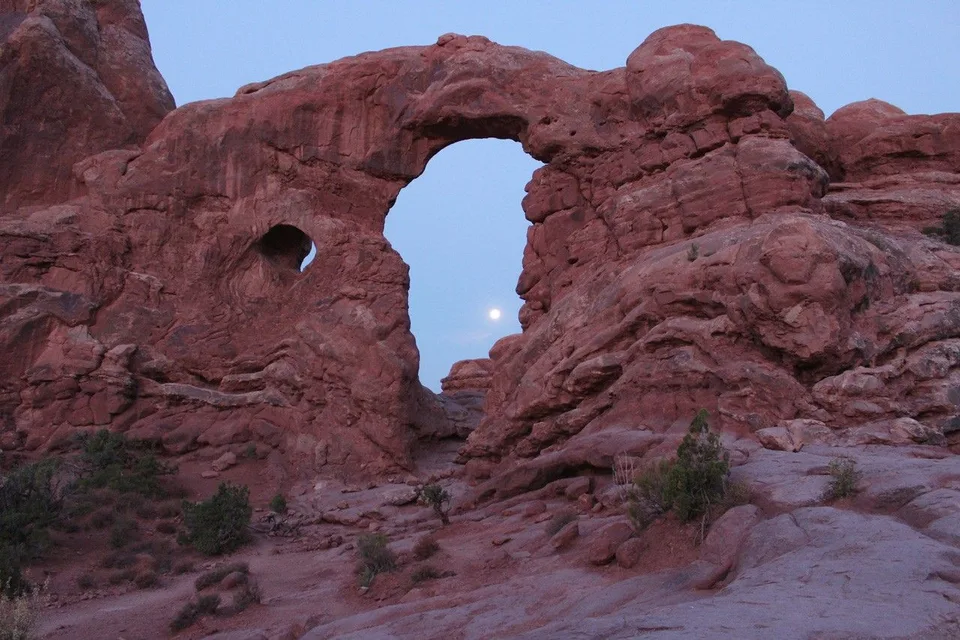
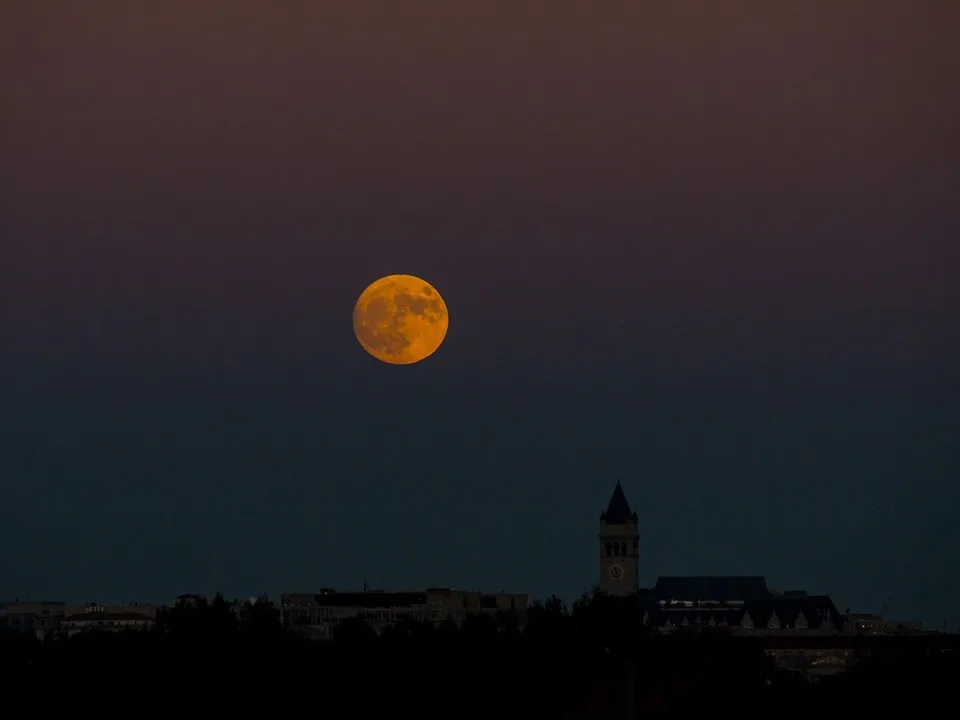
Rather than chasing every crater, choose an interesting foreground. A branch, a rooftop or a hill's outline can make the tiny Moon part of a story. The photograph through a rock arch in this article is a lovely example: the appeal lies in the relationship between the landscape and the sky. A much simpler scene at home can offer the same kind of challenge.
Take three versions of the same composition and compare them later. Which one best captures what caught your attention? The evening becomes a small photographic experiment. A good memory does not require a technically perfect image.
Twenty minutes is enough to begin
Our suggestion is simple: spend a few minutes observing, find one detail on the map, then take three pictures. With children, add a drawing of what they saw; with friends, compare different compositions. If clouds block the view, try another clear evening.
Before heading out, check the weather, the Moon's position and your local moonrise time. There is no need to wait for a special event. NASA Goddard's trailer for this year's International Observe the Moon Night shows the social side of observing: a little curiosity makes a familiar view feel new.
Video: getting together under the Moon
NASA Goddard's official International Observe the Moon Night 2026 trailer. Video in English.
Sources:
- NASA Science: Moon viewing tips
- NASA Science: lunar photography and the photographs used here
- NASA Science: Daily Moon Guide
- NASA Goddard: official video
- NASA: editorial image usage guidelines. Photographs by Bill Dunford, Ernest Wright and Scott Hull; source-provided lower-resolution web versions, without AI processing.
This content was created with the assistance of AI.
AI translated