That the music will not be lost
As part of the Great 78 project, music enthusiasts digitized more than 40,000 gramophone records made at the beginning of the 20th century and made them available for free listening through boarding schools. Well done!
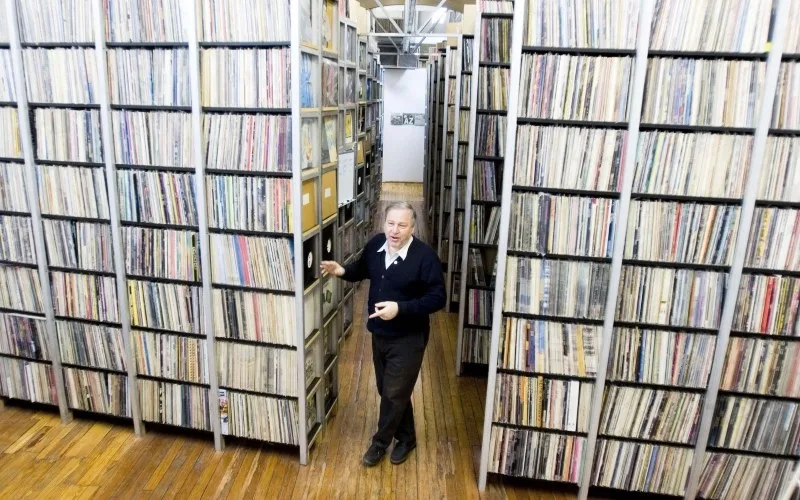
Vinyl records are really experiencing a big comeback, but the old records, which were rotated at 78 revolutions and musical cylinders, cannot be listened to on modern turntables. And since no one makes such gramophones anymore, there is a great danger that the old records and rollers will perish, and with them also the music recordings from the time when they were relevant.
To prevent this from happening, there is a project called Great 78 jointly run by the ARChive of Contemporary Music (ARC) and the online service archive.org. And what is it about? Based in New York, ARC is an organization that has been preserving audio-visual materials at risk of loss since 1985. These materials come in all sorts of forms, from magnetic tapes to vinyl records and even sound rolls, the predecessors of records. As part of the Great 78 project, they decided to focus on these oldest recordings and digitize them. This is how an extensive collection of more than 400,000 digitized plates was created. These recordings were then submitted by the ARC to the online service arhive.org and added to the already existing archive of more than 200,000 recordings, mostly from of the early 1950s and which were donated to the online archive by individuals and various organizations.
The project is really worthy of praise, because it not only ensures that the recordings will not be lost, but also because the matter is available for free on the online archive. Now we can enjoy original recordings of Louis Armstrong and his orchestra from 1929, recordings of Al Jolson from 1911 to 1920, collected works of Enrico Caruso, original recording Rhapsody in Blue and even a repeat of the song Mary had a little lamb, which was recited by Thomas Edison in 1927, restoring a lost recording created 50 years earlier as the first sound recording. Well done!
Source: Archive.org
AI translated