When the computer desktop becomes a puzzle
Desktop Explorer locks the player into a virtual computer from the 1990s, where the mystery can only be solved by opening folders, changing files, and some rather unconventional thinking.
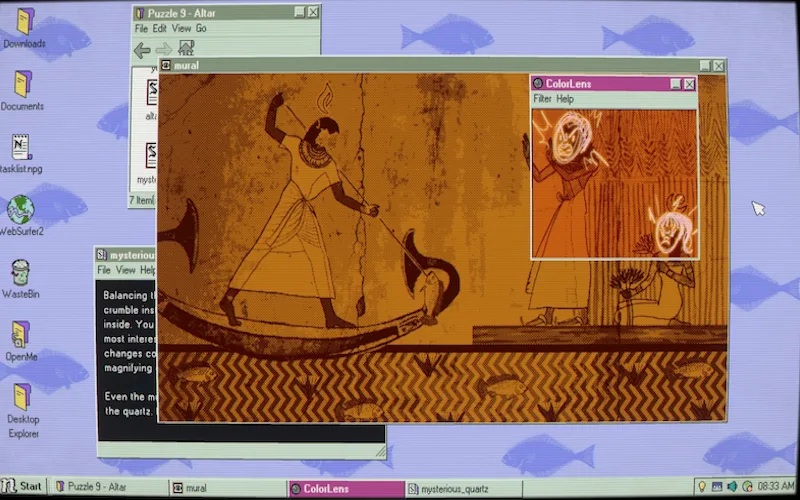
Desktop Explorer at first glance works like a simulation of an old operating system, strongly reminiscent of Windows 95. But behind the icons, windows and a simple file explorer lies a challenging combination of detective adventure, logical puzzles and psychological horror.
The player inherits an old computer from his uncle during his lifetime. The device still starts up, with a letter and a task related to the missing person waiting on it. It soon becomes clear that it wasn't just the uncle who used the computer, and that the mysterious Desktop Explorer program is no ordinary game. The story unfolds through diary entries, conversations, photographs, corrupted programs and forgotten websites. Each user profile contains a part of the history of the previous owners of the computer, but it can only be accessed by solving increasingly difficult tasks.
The solution may be hidden in the file properties Desktop Explorer turns the classic elements of the operating system into gaming mechanisms. The player must rename a file, change its extension, view properties, edit content, open hidden folders or arrange windows in an unusual way. One of the puzzles involves changing the width of the text editor window until seemingly random characters are assembled into an ASCII image.
The game doesn't always tell you which tool to use. It is often necessary to try different options in the menus, review old conversations or reanalyze a file that at first seemed insignificant. As a rule, the solutions are logical, but they require a good knowledge of the basic operation of the computer and, above all, lateral thinking.
The first tasks are helped by Pizarro, an unusual version of the former Microsoft assistant Clippy. His hints are mostly general and do not reveal a direct solution. In the latter part of the game, help is almost non-existent, so one overlooked detail can stop the progress for a long time.
Nostalgia without the cheap scares The virtual operating system, sounds, colorful icons and early web will be most familiar to gamers who used computers in the 1990s. For the nostalgic image, corrupted files, strange symbols, unexpected faces and other creepy phenomena gradually appear. The game doesn't rely primarily on sudden scares, but instead builds uneasiness with the contents of files and the fate of former users. It deals with depression, suicide, self-harm, trauma, post-traumatic stress disorder and family bereavement, so despite its retro look, it's not aimed at children.
Desktop Explorer was released on July 17, 2026 for Windows and macOS. The regular European price on Steam is 16.99 euros, and with the current 10% discount it is 15.29 euros. There is also a free demo version with the first ten puzzles. There is no Slovenian translation, so a good understanding of English is required. This is not a game for those who want a fast story and constant hints. But it is very suitable for patient fans of challenging puzzles, computer nostalgia and mysteries where every click can be important. The response so far has been overwhelmingly positive: around 96 percent of user reviews on Steam are positive.
Sources: Steam, SteamDB, Recurring Dream
AI translated