"22 Days of Hell" for young gamers
The Chinese "distract" children from games: 22 days for €5,200
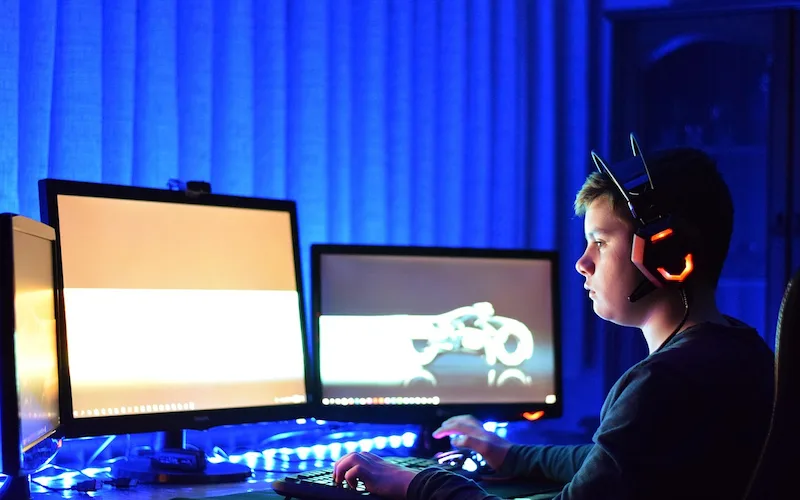
As eSports become more and more popular internationally and top competitors can live quite well off their earnings, more and more young gamers dream of one day becoming eSports stars… And they use it as an excuse to play video games. After many parents expressed their displeasure that their children were devoting more time to video games than education, a Chinese eSports organization decided to organize "eSports Discouragement Courses" to show young players how much work and time professional eSports athletes must put in to succeed in this highly competitive field.
Becoming a professional gamer has become a new career goal for many kids, but making a living playing video games isn't as simple as it sounds. An esports organization in Shijiazhuang, China's Hebei Province decided to show future esports players the harsh reality of competitive gaming at the highest level. As part of their new "eSports Distraction Course", children encounter a highly realistic simulation of the high-pressure environment typical of professional eSports, allowing children to experience the intensity and psychological pressure of professional players, while also inviting real professional players to share their experiences. In this way, children realize that the barriers to entry are much higher than they imagine.
The eSports detraining course starts at 9am and ends around midnight, during which time participants are practically glued to their keyboards and monitors, with only short breaks for food, a short workout and a trip to the bathroom. The course lasts 22 days and costs 40,000 yuan (around €5,230) and is said to be extremely popular among parents who want to wean their children off video games. It's also very effective, with some children breaking down and begging to go home after the first day, according to The Paper.
According to program manager Su Chenhao, nearly 4,000 young people have joined the organization since 2018, 85% of whom wanted to become professional players or believed they had acting talent. "Our original idea was to select potential e-sports talents, but the course turned out to have the opposite effect, convincing many kids to stop playing excessively," said Su.
Source: The Paper
AI translated